Yards Cleared After Weather Events
Storm Debris Cleanup in Cape Coral for properties with fallen limbs, scattered vegetative debris, and storm-related waste
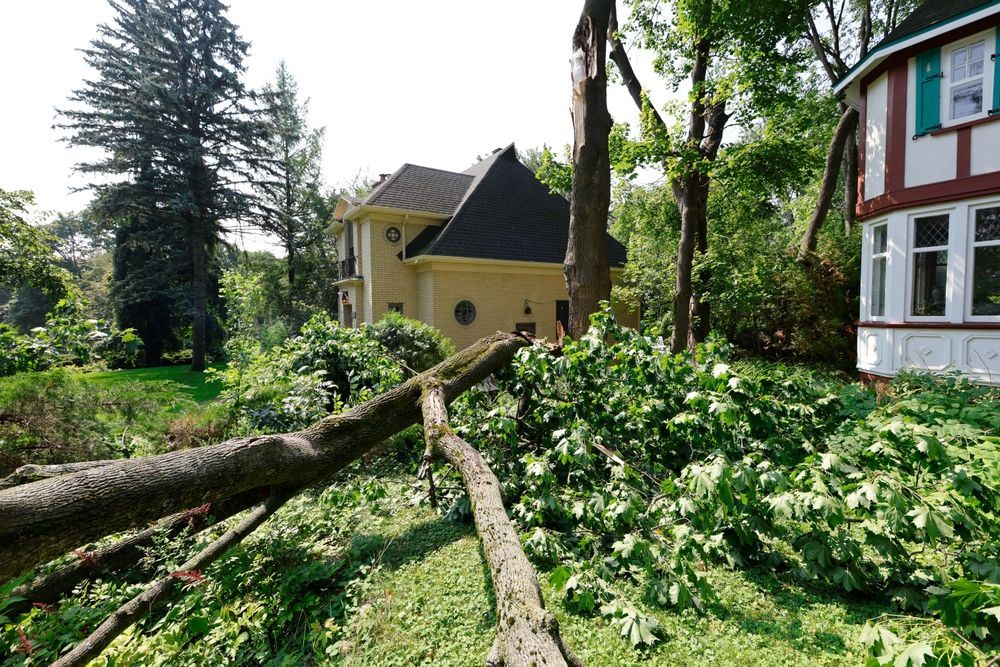
Southwest Florida storms leave yards and properties covered with fallen limbs, palm fronds, scattered vegetative material, and other debris that blocks access and creates hazards. Bishop SWFL Land Services helps property owners in Cape Coral load, remove, and haul storm-related debris using dump trailers and Bobcat equipment suited for handling large volumes of material after hurricanes, severe thunderstorms, and tropical weather systems. Cleanup restores access to driveways, clears pathways, and removes debris that can attract pests or create fire risks if left in place.
Storm debris cleanup addresses vegetative waste accepted by disposal facilities, including branches, fronds, leaves, and uprooted vegetation. The service involves collecting material from multiple areas of a property, loading it into trailers, and hauling it away. Properties that remain covered with debris after storms become difficult to navigate and present safety concerns until waste is removed and access is restored.
Schedule a storm cleanup estimate to address debris volume and hauling requirements for your property.
What Changes After Storm Debris Is Removed
The cleanup process begins with assessing the type and volume of debris present, then using equipment to gather, load, and haul material to appropriate disposal sites. Bobcat loaders speed up the collection of heavy limbs and densely packed piles, while dump trailers handle the transportation. The number of loads depends on how much debris the storm deposited and how widely it is scattered across the property.
Once storm debris is cleared, driveways and access routes become usable again. Properties no longer present the appearance of abandonment, and mowing or other maintenance work can resume. Removing vegetative waste eliminates standing water traps where mosquitoes breed and reduces the fuel load that could contribute to fire spread during dry periods following storms.
Cleanup timelines vary based on debris volume and whether other property damage requires attention first. Some properties need only a single pass to collect surface debris, while others require multiple visits to address piles that were stacked temporarily or material tangled in fencing and landscaping.
Common Questions About This Service
Storm debris cleanup raises questions about timing, material types, and how the process differs from regular yard waste removal, especially after severe weather events common to Cape Coral.
What types of storm debris can be hauled?
Vegetative debris such as branches, palm fronds, leaves, and small uprooted plants are accepted, along with bulk waste like fence sections and damaged outdoor furniture if they meet facility requirements.
How soon after a storm should debris be removed?
Cleanup should begin once it is safe to access the property, as debris left in place blocks access, attracts pests, and can cause additional damage to structures or landscaping during subsequent weather events.
Why does storm debris in Cape Coral require specialized handling?
Hurricanes and tropical storms deposit large volumes of vegetative waste mixed with sand, standing water, and tangled material that requires equipment beyond standard yard tools to clear efficiently.
What preparation helps speed up storm cleanup?
Moving smaller debris into consolidated piles near access points allows loaders and trailers to work more efficiently and reduces the time required on-site.
How does storm cleanup connect with other property services?
Properties with storm damage often need additional work such as lot clearing or brush removal to address vegetation damaged but not fully dislodged, which gets scheduled after initial debris hauling is complete.
Bishop SWFL Land Services handles storm debris cleanup for residential and commercial properties in Cape Coral, removing vegetative waste and bulk material left by severe weather. Contact us to arrange an on-site assessment and hauling plan based on current debris conditions.